
Why First Responders Wait Too Long to Ask for Help
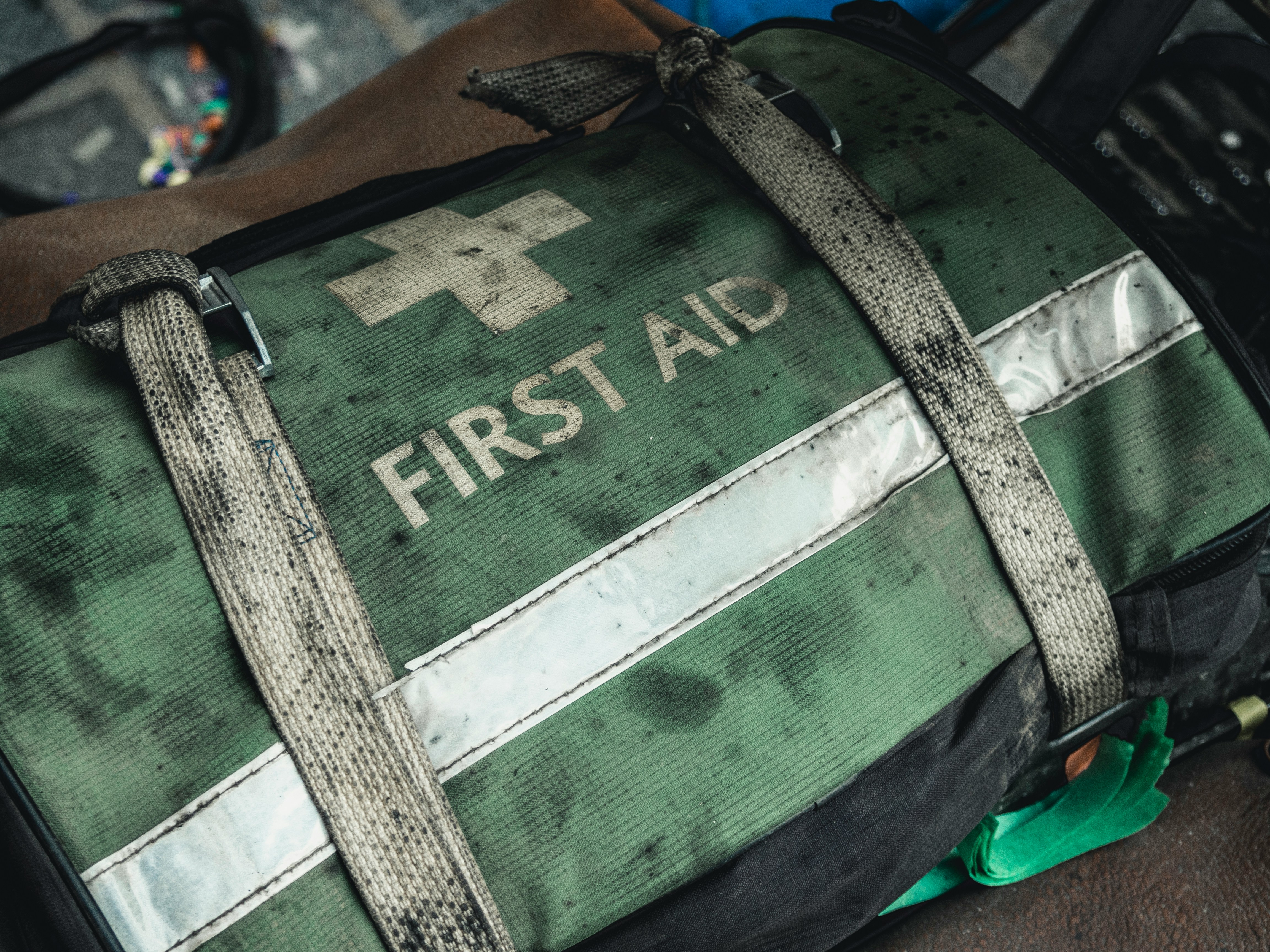
You show up when other people are having the worst day of their lives.
You stay calm when others panic.
You solve problems under pressure.
Over time, that becomes part of who you are.
But it can also make asking for help incredibly difficult.
Many firefighters, paramedics, police officers, dispatchers, correctional officers, and search and rescue volunteers don’t seek counselling because they don’t care about their mental health.
They wait because they’ve learned to keep going.
To push through.
To deal with it later.
If that sounds familiar, you’re not alone. Many first responders face unique barriers to seeking mental health support, including stigma, concerns about confidentiality, and the belief that they should be able to handle it themselves.
If you’re looking for support specifically designed for emergency service professionals, visit our First Responder Counselling in Kelowna page to learn how we work with firefighters, paramedics, police officers, dispatchers, and other first responders.
“I’m Fine.”
Most first responders don’t suddenly reach a breaking point.
The stress builds slowly.
One difficult call becomes ten.
Ten becomes a hundred.
Eventually, the things that never used to bother you start following you home.
You might notice yourself saying:
“I’m just tired.”
“Everyone on the job feels like this.”
“I’ll deal with it after fire season.”
“Other people have seen worse.”
Those thoughts are understandable.
They’re also one of the reasons so many first responders carry stress for years before talking to someone.
The Signs Are Often Easy to Miss
Occupational stress doesn’t always look dramatic.
Sometimes it looks like:
- Feeling constantly on guard
- Becoming impatient with the people you love
- Trouble sleeping after shifts
- Feeling emotionally numb
- Losing interest in hobbies
- Working more because it’s easier than slowing down
- Needing alcohol, gaming, or distractions to switch your brain off
- Feeling like you have to stay in control all the time
Because these changes happen gradually, they can begin to feel normal.
Strength Doesn’t Mean Carrying Everything Alone
Emergency services are built on teamwork.
You trust your crew to have your back on scene.
Mental health deserves that same mindset.
Talking to a counsellor isn’t about proving you can’t do the job.
It’s about making sure the job doesn’t slowly take more from you than you realize.
Looking after your mental health is no different than wearing protective equipment or maintaining your physical fitness.
It’s part of staying healthy for the long term.
Counselling Doesn’t Mean You Have PTSD
Many first responders avoid counselling because they assume therapy is only for people who are in crisis.
That’s simply not true.
People come to counselling for many reasons, including:
- Managing cumulative stress
- Improving sleep
- Navigating relationship challenges
- Recovering from burnout
- Processing difficult calls
- Preparing to return to work
- Strengthening resilience
You don’t have to wait until you’re overwhelmed before getting support.
The People Around You Often Notice First
Sometimes it’s a spouse.
Sometimes it’s a coworker.
Sometimes it’s your kids.
They may notice you’re quieter than usual.
More irritable.
Less patient.
Or emotionally distant.
Those changes don’t mean you’re failing.
They may simply be signs that you’ve been carrying too much for too long.
Recognizing those signs early gives you the opportunity to take care of yourself before they become bigger challenges.
You Deserve the Same Care You Give Others
Every shift, you show up for people you’ve never met.
You offer calm during chaos.
Compassion during crisis.
Support when it’s needed most.
You deserve that same level of care.
Seeking support doesn’t erase your strength.
It protects it.
A Gentle Next Step
You don’t have to wait until you’re burned out, emotionally exhausted, or struggling to get through a shift before talking to someone.
Counselling can be a proactive way to care for your mental health, strengthen resilience, and process the unique challenges that come with emergency service work.
If you’re a firefighter, wildland firefighter, paramedic, police officer, dispatcher, correctional officer, search and rescue volunteer, or another first responder in Kelowna, West Kelowna, Vernon, or the Okanagan, learn more about our First Responder Counselling services.
If you’d like to ask a question or see whether counselling is the right fit, you’re also welcome to Contact Orchard Valley Counselling.