
Retirement and Identity Changes: Who Am I Without My Career?
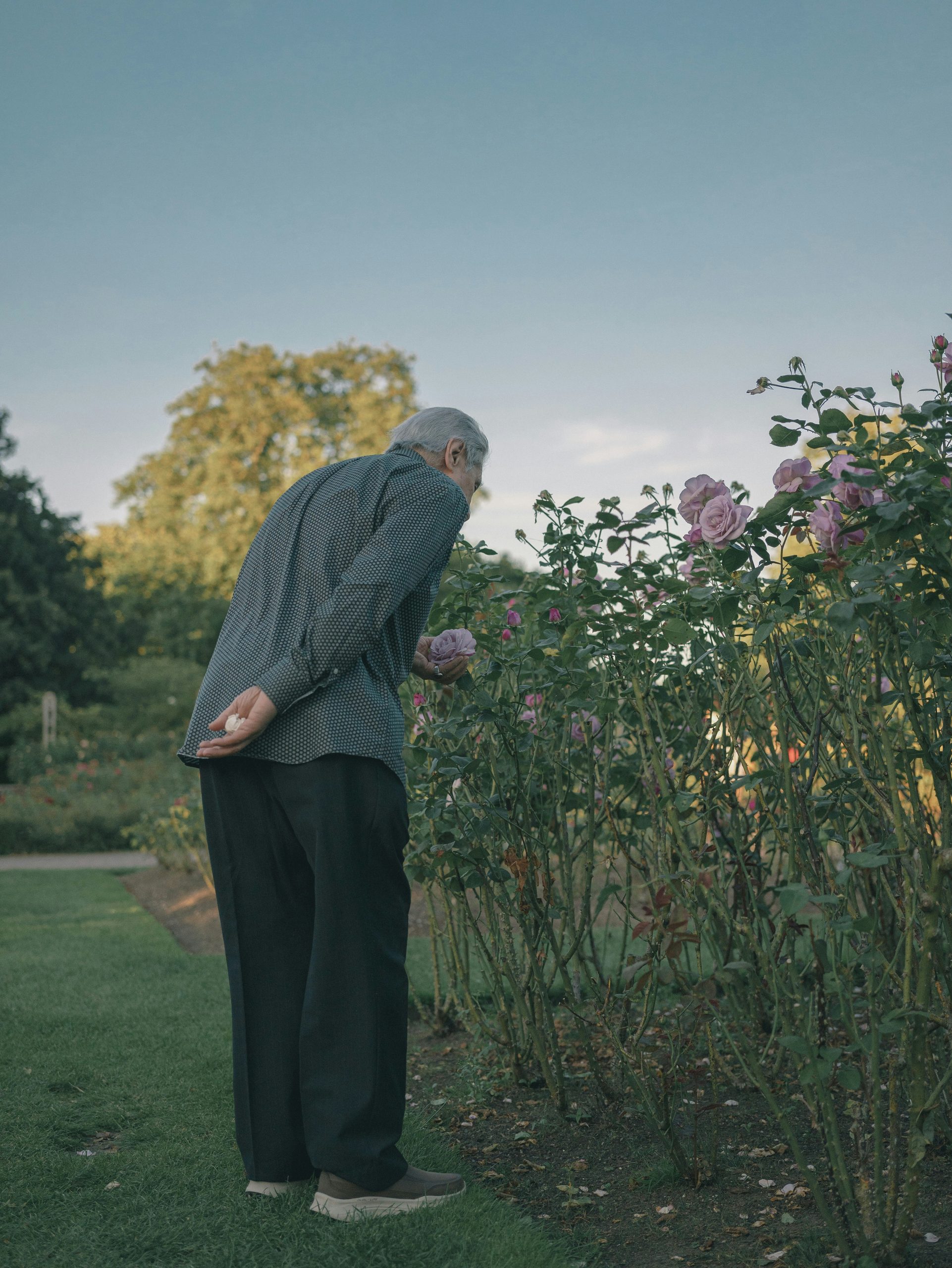
You’ve worked for decades. You’ve built a career, supported your family, and spent years being needed.
Now retirement is here.
You finally have time to relax, travel, enjoy your home, or spend time with loved ones.
So why do you sometimes feel lost?
- Perhaps you wake up wondering what to do with your day.
- You miss having somewhere to be.
- You miss the people you worked with, the routine.
- or the feeling that your work mattered.
- You might even feel guilty for not enjoying retirement as much as you expected.
Retirement can give you more freedom while also leaving you unsure of who you are without your career.
If you’re experiencing these feelings, you’re not alone. Adjusting to retirement is an important life transition, and it can take time to discover what this next chapter means for you.
You can also explore our Mental Health in the Okanagan to learn more about how major life changes can affect emotional well-being.
What Is Loss of Identity After Retirement?
For many people, work becomes more than a way to earn money.
It becomes part of who they are.
Think about how often we introduce ourselves by what we do.
“I’m a teacher.”
“I’m a nurse.”
“I’ve been in business for 30 years.”
“I’m the person everyone comes to when something needs fixing.”
Our careers can give us purpose, confidence, connection, and a sense of belonging.
When that role ends, it can feel as though part of our identity has disappeared.
You may find yourself asking:
Who am I if I’m no longer working?
What makes me valuable now?
What am I supposed to do with the rest of my life?
These questions can feel uncomfortable, especially when everyone around you expects retirement to be wonderful.
But retirement doesn’t mean you’ve lost your identity.
It means an important part of your life has changed, and you’re learning how to understand yourself in a different way.
Why Can Retirement Feel So Difficult?
Retirement is often described as the reward for a lifetime of hard work.
For many people, it brings relief, freedom, and enjoyment.
But even welcome changes can come with unexpected feelings.
You’re losing more than a job
When you retire, you may also lose daily routines, responsibilities, friendships, and opportunities to feel useful.
You might miss conversations with coworkers or the satisfaction of completing something important.
Even if you didn’t love your job, it gave your days structure.
Without that structure, life can suddenly feel unfamiliar.
Your sense of worth may be tied to being productive
Many of us grow up believing that being busy means being valuable.
We learn to work hard, contribute, solve problems, and take care of others.
Over time, productivity can become closely connected to self-worth.
So when retirement arrives, slowing down may feel uncomfortable.
You might feel restless when you’re relaxing or guilty when you haven’t accomplished anything.
Sometimes, the challenge isn’t learning how to fill your time.
It’s learning that your value doesn’t depend on how much you accomplish.
Your relationships may change
Retirement can also affect your closest relationships.
Perhaps you and your partner are now spending more time together than ever before.
You may have different expectations about how that time should be spent.
One of you might want to travel, while the other enjoys staying home.
Adult children may also expect more help with grandchildren or family responsibilities now that you’re retired.
These changes can create tension, even in loving relationships.
You may be grieving a part of your life
We often connect grief with the death of someone we love.
But grief can also happen when we lose an important role, relationship, routine, or way of living.
You may miss the person you were when you worked.
You may grieve opportunities that have ended or feel uncertain about what lies ahead.
It’s possible to be grateful for retirement and still feel sad about what you’ve left behind.
Both feelings can exist together.
If you’re struggling with the emotional side of change, our article on coping with major life transitions explores why even positive changes can feel difficult.
Common Signs You’re Struggling With Your Identity After Retirement
Everyone experiences retirement differently.
Some people adjust quickly. Others need more time to discover a new sense of balance.
You might notice:
- Feeling lost or unsure of your purpose
- Missing your career or professional identity
- Feeling restless, bored, or disconnected
- Struggling to enjoy activities you once looked forward to
- Feeling guilty when you’re not being productive
- Questioning your value or usefulness
- Feeling lonely despite having people around you
- Becoming more irritable, worried, or withdrawn
Sometimes, these feelings appear months after retirement.
You may initially enjoy the freedom, only to discover that something important feels missing once the excitement settles.
These experiences don’t automatically mean you’re depressed. However, ongoing sadness, hopelessness, or loss of interest deserves attention.
How Retirement and Identity Changes Affect Mental Health
Retirement can affect your mental health in different ways.
Some people experience improved well-being when work-related stress ends. Others experience loneliness, uncertainty, anxiety, or a loss of confidence.
Several things can shape this adjustment, including your health, finances, relationships, and whether retirement was your choice.
For example, someone who chooses to retire after years of planning may experience the transition differently from someone who leaves work because of illness, injury, or unexpected circumstances.
You may also notice that familiar worries become louder when your days are quieter.
Without work to focus on, you might spend more time thinking about aging, financial security, health, or the future.
For some people, retirement raises questions that were easier to avoid during busy working years.
Am I happy with my life?
What matters to me now?
What do I want this next chapter to look like?
These aren’t questions you need to answer immediately.
Sometimes, they are an invitation to become curious about who you are beyond the roles you’ve held.
Our senior anxiety article explores how aging, uncertainty, and major life changes can contribute to worry.
Finding Yourself Again After Retirement
You don’t have to reinvent your entire life to feel more connected to yourself.
Often, rebuilding identity begins with small changes and meaningful reflection.
1. Explore who you are beyond your career
Your job was something you did.
It was never everything you were.
Think about the qualities that helped you throughout your working life.
Maybe you were dependable, thoughtful, creative, patient, or good at solving problems.
Those qualities haven’t disappeared because you’ve retired.
They are still part of you.
Try asking yourself:
What parts of myself do I want to carry into this next chapter?
2. Find purpose without turning retirement into another job
Purpose doesn’t always mean doing something impressive.
It might come from spending time with grandchildren, volunteering, caring for a garden, learning something new, or being more present with friends.
It might also come from enjoying a slower pace of life.
You don’t need a packed calendar to have a meaningful retirement.
Consider what gives you a sense of connection, interest, or personal satisfaction.
Then make room for a little more of it.
3. Create a routine that works for you
After years of structured working days, having unlimited free time can feel surprisingly unsettling.
A gentle routine may help.
Perhaps you enjoy going for a morning walk, meeting someone for coffee, or spending time on a hobby.
Living in Kelowna or West Kelowna may also offer opportunities to explore local parks, community programs, libraries, or activities that match your interests and abilities.
The goal isn’t to stay constantly busy.
It’s to create a rhythm that feels comfortable and meaningful.
4. Stay connected to people who matter
Work often provides regular social contact without much planning.
After retirement, maintaining those connections may require more intention.
Try reaching out to someone you enjoy spending time with.
Reconnect with an old friend, join a community activity, or explore something you’ve always wanted to learn.
You don’t need a large social circle.
Having a few meaningful relationships can make an important difference.
5. Give yourself permission to change
Perhaps the person you were at 40 isn’t the person you want to be at 65.
That’s okay.
Your interests, values, energy, and priorities may have changed.
- You are allowed to want different things now.
- You may discover that you enjoy quieter mornings, creative activities, volunteering, spending time alone, or exploring new relationships.
- You don’t have to hold on to an old version of yourself simply because it’s familiar.
Retirement isn’t about becoming less of who you were. It can be an opportunity to discover more of who you are now.
How Counselling Can Help With Retirement and Identity Changes
Sometimes, retirement brings up feelings that are difficult to explain to friends or family.
People may tell you how lucky you are to be retired.
You may feel pressure to be happy and grateful, even when you’re struggling.
Counselling offers a private, supportive space to explore these feelings without judgment.
At Orchard Valley Counselling Services, we understand that retirement can involve changes in identity, relationships, independence, confidence, and purpose.
Depending on your needs, counselling may help you:
- Explore who you are beyond your former career
- Understand sadness, uncertainty, or feelings of loss
- Rebuild confidence and a sense of personal value
- Adjust to changing relationships and family roles
- Develop meaningful routines and connections
- Work through anxiety about aging or the future
- Identify what matters most in this stage of life
Counselling isn’t about telling you how retirement should look.
It’s about helping you explore what feels meaningful and realistic for you.
You don’t have to be in crisis to benefit from having someone to talk to.
For more information, explore our Senior Counselling in Kelowna page.
Related Resources
If you’re adjusting to retirement, you may find these Orchard Valley Counselling resources helpful:
Stress From Life Transitions: How to Cope With Change
Understand why changes in routine, identity, and expectations can feel stressful.
Explore how aging, retirement, and uncertainty can affect emotional well-being.
Learn how counselling can help with retirement, grief, changing relationships, and other life transitions.
A Gentle Next Step: Your Life Still Has Meaning
For years, your career may have shaped your days and given you a sense of purpose.
Now you’re entering a chapter that may look very different.
- You don’t need to have a perfect retirement plan.
- You don’t need to fill every moment with activities.
- And you don’t need to prove your worth by staying busy.
- You are still the person who has built relationships, learned from experience, overcome difficulties, and contributed in meaningful ways.
- Your story doesn’t end when your career does.
At Orchard Valley Counselling Services, we offer compassionate counselling in Kelowna and West Kelowna, along with online appointments throughout BC.
If retirement has left you feeling uncertain about your identity or direction, counselling can offer space to explore what matters to you now.
You deserve a next chapter that feels meaningful to you, whatever that may look like.
When you’re ready, Connect with Orchard Valley Counselling Services to explore your counselling options.