
When Your Health Changes: Adjusting to a Different Life
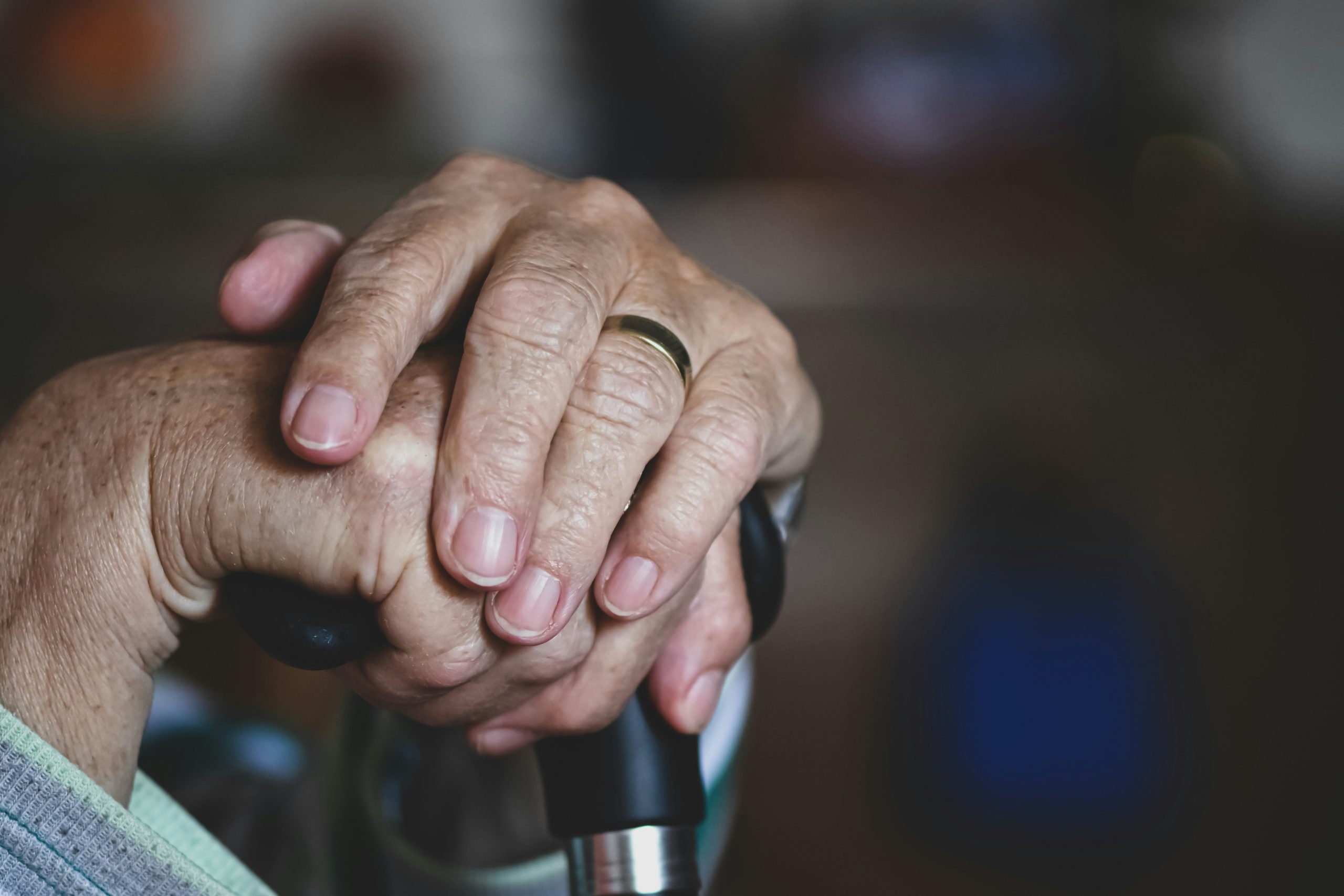
Sometimes, the hardest part of a health change isn’t just what happens to your body. It’s how much your life changes along with it.
Perhaps you used to have energy for work, family, and the things you enjoyed. Now, even ordinary tasks can feel exhausting.
Maybe you’ve received a diagnosis, experienced an injury, or noticed that your body isn’t responding the way it once did.
You might miss being active, independent, or able to make plans without worrying about how you’ll feel.
And sometimes, you miss the person you were before everything changed.
You may tell yourself, Other people have it worse. I should just be grateful.
But struggling with a health change doesn’t mean you’re ungrateful or weak.
It means you’re adjusting to something that affects your everyday life.
At Orchard Valley Counselling Services, we recognize that physical health and emotional well-being are closely connected. Our Mental Health in the Okanagan guide explores how life experiences, stress, and emotional challenges can affect mental health.
What Does Adjusting to Health and Lifestyle Changes Mean?
Adjusting to health changes means learning how to live with changes in your body, abilities, routines, or independence.
These changes may be temporary, long-term, or uncertain.
They might involve:
- Receiving a new medical diagnosis
- Living with chronic illness or pain
- Recovering from an injury or surgery
- Changes in mobility, energy, or physical abilities
- Adjusting to menopause or other hormonal transitions
- Managing health concerns as you age
- Changing your diet, work, or daily activities for medical reasons
Sometimes, these changes happen suddenly.
Other times, they develop slowly, and you may not realize how much your life has changed until familiar activities become difficult.
Health changes can affect your relationships, confidence, independence, and sense of identity.
You may be learning how to live differently while still wishing things could go back to how they were.
Both feelings can exist together.
Why Are Health Changes So Emotionally Difficult?
Our routines often give us a sense of comfort and control.
We know what our bodies can do, what to expect from our days, and how we fit into our relationships.
When our health changes, that sense of certainty can disappear.
You may grieve your previous life
Grief isn’t only something we experience when someone dies.
We can also grieve the loss of independence, physical abilities, familiar routines, or future plans.
Perhaps you can no longer participate in activities you once loved.
Maybe you’ve had to reduce your work hours or rely on others for help.
You might find yourself thinking:
I used to be able to do this so easily.
Why can’t my body keep up anymore?
Will I ever feel like myself again?
These thoughts can bring sadness, frustration, and a sense of loss.
You can appreciate what your body still allows you to do while grieving what has changed.
You may feel a loss of control
Living with an unpredictable health condition can make planning difficult.
You might wake up feeling well one day and struggle the next.
Appointments, medications, symptoms, and medical decisions may become part of your routine.
You may feel frustrated that your body doesn’t always cooperate with what you want to do.
This uncertainty can leave you feeling anxious or constantly on alert.
Your sense of identity may change
Perhaps you’ve always been active, independent, or the person everyone relies on.
Now, you may need to ask for help.
You might worry about becoming a burden or feel uncomfortable depending on others.
These experiences can challenge how you see yourself.
But needing support doesn’t make you less capable, valuable, or deserving of respect.
Your abilities may change, but your worth as a person does not.
Common Signs You’re Struggling With Health Changes
Not everyone responds to health changes in the same way.
Some people feel sadness. Others experience anger, anxiety, or emotional numbness.
You might notice:
- Feeling frustrated with your body
- Worrying about your symptoms or the future
- Feeling sad about activities you can no longer do
- Becoming easily overwhelmed or irritated
- Comparing yourself to who you used to be
- Feeling guilty about needing help
- Pulling away from friends or family
- Struggling with changes in confidence or self-esteem
- Feeling uncertain about your identity or purpose
You may also experience fatigue, difficulty concentrating, or sleep problems.
These symptoms can be related to medical conditions, medications, stress, or several factors together. They shouldn’t automatically be attributed to anxiety or emotional distress.
If you’re experiencing new or worsening physical symptoms, speak with your healthcare provider.
How Health Changes Can Affect Mental Health
Living with changes in your health can bring emotional demands that other people don’t always see.
You may appear to be managing well while privately feeling exhausted, discouraged, or afraid.
Long-term health conditions can be associated with increased emotional distress, anxiety, and depression.
Sometimes, you may worry about the future.
Will I be able to keep working?
What if my health gets worse?
How will this affect my family?
You may also feel lonely if your health limits your ability to socialize or take part in activities.
Our article on loneliness and social isolation explores how changes in connection and belonging can affect emotional well-being.
For others, health changes can lead to tension in relationships.
Your partner or family members may want to help but not fully understand what you’re experiencing.
You might feel pressure to stay positive when what you really need is someone to listen.
These challenges can be especially difficult when your symptoms are invisible to others.
Pain, fatigue, dizziness, brain fog, and other symptoms may not be obvious from the outside.
But their impact on your life can still be very real.
Six Gentle Ways to Cope With Health and Lifestyle Changes
Adjusting doesn’t mean you have to like what’s happened.
It means finding ways to care for yourself while learning what life looks like now.
1. Allow yourself to grieve what has changed
You may miss your old routines, independence, energy, or physical abilities.
Try making space for those feelings rather than pushing them away.
You might say to yourself:
This is difficult. I miss how things used to be.
Acknowledging your loss doesn’t mean you’ve given up.
It means you’re being honest about your experience.
2. Focus on what is within your control
Health changes can create uncertainty.
Although you may not be able to control every symptom or outcome, there may still be choices available to you.
You might decide how to pace your day, what support to request, or how to communicate your needs.
Try asking:
What is one thing I can do today that supports my well-being?
It doesn’t need to be something big.
Small, realistic choices can help restore a sense of direction.
3. Adjust your expectations with compassion
Perhaps you used to finish everything on your to-do list.
Now, you may need more rest or additional time.
Instead of comparing your current abilities with the past, consider what is realistic for today.
Some days, success may mean completing an important task.
Other days, it may mean respecting your limits.
Rest is not a failure, and needing a different pace doesn’t make you less productive as a person.
4. Stay connected to the people who support you
Health changes can make socializing more difficult.
You may not have the same energy for outings or gatherings.
Rather than withdrawing completely, look for ways to stay connected that fit your circumstances.
Perhaps a friend could visit you at home.
Maybe you could schedule a short phone call or meet someone for coffee when you’re feeling up to it.
Let people know what would be helpful.
You don’t have to explain every detail of your health to deserve connection.
5. Make room for activities that still bring meaning
When your health changes, some activities may need to be adapted.
Maybe you can no longer hike the trails you once enjoyed, but you still find comfort sitting by Okanagan Lake.
Perhaps gardening now means tending a few plants instead of maintaining a large garden.
You may discover new interests, creative activities, or quieter ways to enjoy your time.
These changes aren’t always easy.
But finding new ways to experience pleasure, meaning, and connection can help you feel more like yourself.
6. Ask for support when you need it
You don’t have to manage every emotional challenge on your own.
Support might include your healthcare team, family, friends, community organizations, or a counsellor.
Sometimes, practical help makes the greatest difference.
Other times, you need someone who can listen without trying to fix everything.
Asking for help is a way of caring for yourself, not a sign that you’ve failed.
Adjusting Doesn’t Mean Giving Up Hope
When you’re living with health changes, people may encourage you to stay positive.
Although encouragement can be helpful, constant positivity can sometimes make it difficult to express genuine feelings.
You might feel pressure to say you’re doing fine when you’re actually struggling.
But hope doesn’t require you to ignore reality.
- You can acknowledge uncertainty while still looking for meaningful experiences.
- You can accept help while maintaining your independence wherever possible.
- You can feel sad about your health and still find moments of happiness.
And you can learn to adapt without pretending that the changes are easy.
Our article on coping with major life transitions offers more insight into why change can feel unsettling and how to navigate it.
How Counselling Can Help With Health and Lifestyle Changes
Sometimes, the people closest to you don’t fully understand how much your health has affected your life.
You may feel hesitant to share your fears because you don’t want to worry anyone.
Or perhaps you’re tired of explaining how you’re feeling.
Counselling offers a supportive space where you can explore those experiences without judgment.
Depending on your needs, counselling may help you:
- Process grief related to changes in health or independence
- Manage anxiety and uncertainty about the future
- Explore changes in identity and self-worth
- Develop coping strategies for emotional stress
- Communicate your needs and boundaries
- Navigate changes in relationships and family roles
- Reconnect with meaningful goals and activities
At Orchard Valley Counselling Services, we recognize that people experiencing health changes need support that respects their personal circumstances, abilities, and goals.
Counselling does not replace medical assessment or treatment, and it cannot promise to remove physical symptoms.
However, it can offer emotional support as you navigate the changes affecting your life.
For older adults experiencing changes in independence, health, or daily routines, our Senior Counselling in Kelowna page explains additional ways counselling may help.
Related Resources
If you’re adjusting to changes in your health or lifestyle, these resources may be helpful.
Learn how stress, life experiences, and emotional well-being are connected.
Explore why adjusting to major life changes can feel difficult, even when change is expected.
Loneliness and Social Isolation
Understand the emotional impact of feeling disconnected and ways to build meaningful relationships.
You can also find information about managing a long-term health condition through HealthLink BC.
A Gentle Next Step: You Are More Than Your Health
When your body or lifestyle changes, it can feel as though parts of your life have been taken away.
You may miss your old routines, your independence, or the confidence you once had.
And sometimes, you may wonder whether you’ll ever feel like yourself again.
You don’t need to have all the answers right now.
You are allowed to grieve what has changed, ask for help, and discover new ways of living that respect your needs.
Your health may shape parts of your life, but it does not define your worth.
At Orchard Valley Counselling Services, we offer compassionate counselling in Kelowna and West Kelowna, with online appointments available throughout BC.
If health or lifestyle changes are affecting your emotional well-being, counselling can provide a place to talk, reflect, and explore what support might look like for you.
When you’re ready, connect with Orchard Valley Counselling Services to explore your counselling options.