
Loneliness and Social Isolation: Why We Feel Disconnected
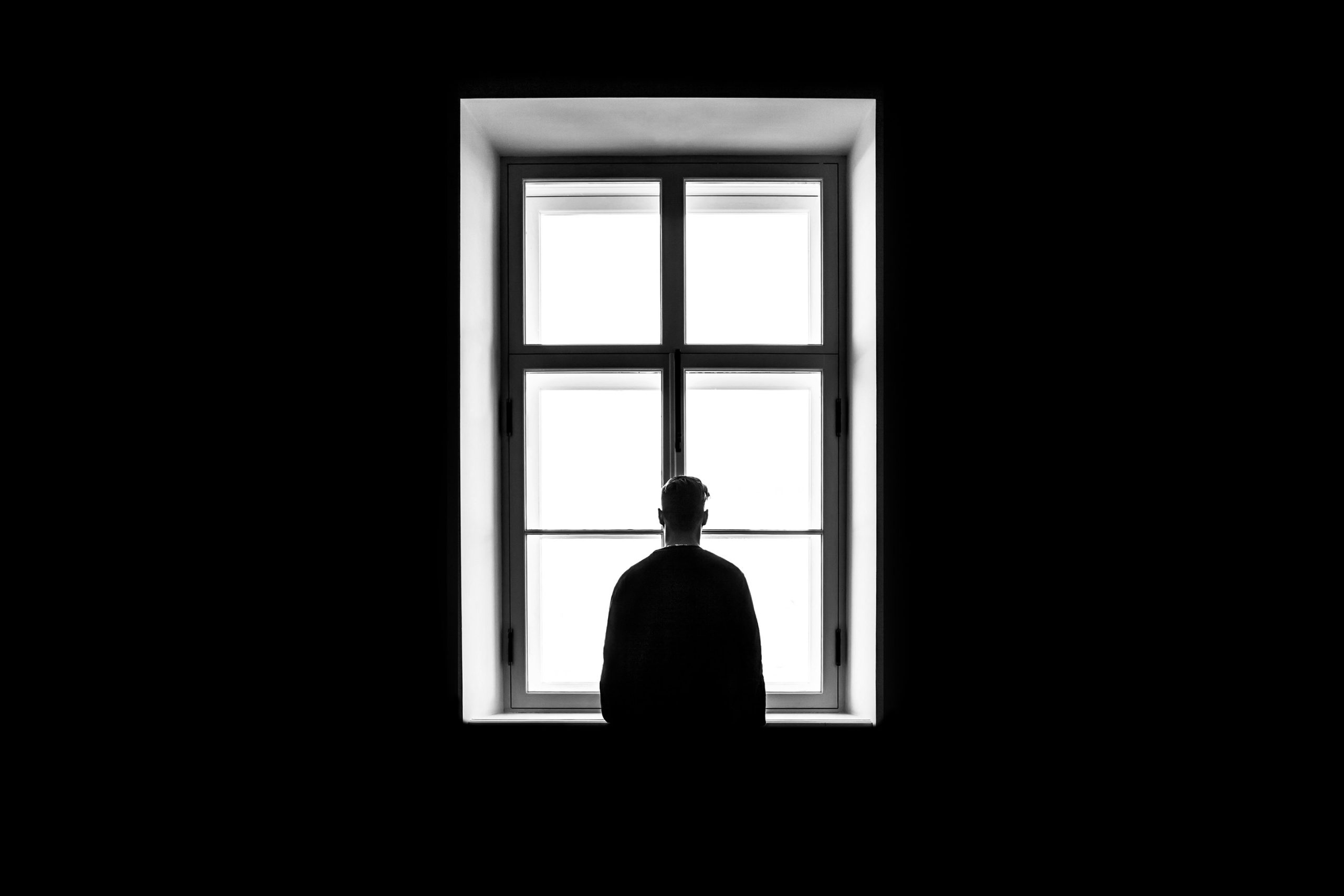
Have you ever felt lonely, even when surrounded by people?
Maybe you spend time with coworkers, talk to family, or scroll through social media. Yet something still feels missing.
You might have people in your life but no one you feel comfortable opening up to.
Or perhaps your life has changed. Friends have moved away, your children have grown up, you’ve retired, or a relationship has ended.
Days can begin to feel quiet. Reaching out may feel harder than it once did.
Sometimes, you wonder, Why do I feel so alone?
Loneliness is more common than many people realize. It doesn’t mean there’s something wrong with you or that you’ve failed at relationships.
It may mean you’re missing the kind of connection that feels meaningful to you.
At Orchard Valley Counselling Services, we recognize how important belonging and connection are to emotional well-being. Our Mental Health in the Okanagan guide explores the challenges that can affect our mental health and relationships.
What Is the Difference Between Loneliness and Social Isolation?
Although loneliness and social isolation are often discussed together, they’re not quite the same.
Loneliness is the feeling that your relationships aren’t meeting your emotional needs.
You might feel lonely because you miss having someone who understands you, listens without judgment, or makes you feel valued.
You can experience loneliness even when you’re married, have children, or spend time with friends.
Social isolation means having limited social contact or fewer connections with other people.
Perhaps you live alone, work from home, have difficulty getting out, or rarely interact with others.
Some people enjoy spending time alone and don’t feel lonely. Others are surrounded by people but feel deeply disconnected.
The difference matters because loneliness isn’t always solved by simply spending more time with others.
Sometimes, what we’re missing isn’t more people.
It’s the feeling of being seen, understood, and accepted.
Why Do We Feel Lonely or Socially Isolated?
Loneliness can develop slowly or follow a major life change.
There isn’t one single reason it happens.
Life changes can affect our relationships
Moving to a new community, retiring, losing a loved one, or going through a separation can change how connected we feel.
You may have left behind familiar places, friendships, or routines.
Even positive changes, such as moving closer to family or starting a new chapter, can bring unexpected loneliness.
Our article on coping with stressful life transitions explores why adjusting to change can feel emotionally difficult.
We may feel disconnected in our closest relationships
Being in a relationship doesn’t always mean feeling emotionally connected.
You may share a home with someone but rarely have meaningful conversations.
Perhaps you feel unheard, misunderstood, or hesitant to express your feelings.
Over time, this can create emotional distance.
You might begin keeping your thoughts to yourself because it seems easier than explaining how you feel.
Anxiety and low self-worth can make reaching out difficult
Sometimes, we want connection but worry about rejection.
You may wonder whether someone really wants to spend time with you.
Perhaps you replay conversations, worry you’ve said the wrong thing, or assume people aren’t interested.
To protect yourself from disappointment, you might stop reaching out.
Unfortunately, avoiding connection can sometimes increase loneliness.
Aging and retirement can change our social circles
As we grow older, our relationships and routines often change.
Retirement may mean losing daily contact with coworkers. Friends may relocate, health concerns may affect mobility, or the loss of a partner can leave a painful absence.
These changes can make it harder to maintain meaningful social connections.
However, loneliness is not an unavoidable part of aging.
Building new connections remains possible throughout life.
Common Signs of Loneliness and Social Isolation
Loneliness doesn’t always look like someone sitting alone.
Sometimes, it shows up in everyday experiences.
You might notice:
- Feeling disconnected even when you’re with others
- Wishing someone would check in on you
- Feeling left out or forgotten
- Withdrawing from conversations or social activities
- Spending more time online but feeling less connected
- Feeling anxious about reaching out
- Losing interest in activities you once enjoyed
- Feeling sad, empty, or emotionally distant
- Believing that nobody really understands you
Some people become more withdrawn when they’re lonely.
Others stay busy, constantly helping people or filling their schedules to avoid uncomfortable feelings.
Both experiences can make it harder to recognize what you need.
How Loneliness and Social Isolation Affect Mental Health
Human connection is an important part of emotional well-being.
When we feel disconnected for long periods, it can affect how we think, feel, and relate to ourselves.
Loneliness and social isolation are associated with increased risks of anxiety, depression, sleep difficulties, and poorer physical health.
You may notice that you’re worrying more, feeling less motivated, or becoming increasingly sensitive to rejection.
For some people, loneliness can also affect self-esteem.
You might begin thinking:
Maybe I’m not important to anyone.
Everyone else seems to have people they can count on.
If I mattered, someone would reach out.
These thoughts can feel convincing when you’re already hurting.
But feeling disconnected doesn’t mean you’re unwanted or unworthy of connection.
It may reflect changes in your circumstances, unmet emotional needs, or experiences that have made relationships more difficult.
Loneliness can also happen alongside depression. If you’ve been feeling persistently low or emotionally numb, our article on depression and emotional numbness may help you better understand what you’re experiencing.
Five Gentle Ways to Begin Feeling More Connected
When you’re lonely, advice like “just get out more” can feel frustrating.
Connection isn’t always that simple.
If you’ve been isolated for a while, reaching out may feel uncomfortable or exhausting.
The goal isn’t to suddenly become more social.
It’s to begin creating opportunities for meaningful connection at a pace that feels manageable.
1. Start with one small connection
You don’t need to rebuild your entire social life.
Think of one person you feel reasonably comfortable with.
You might send a short message, make a phone call, or suggest meeting for coffee.
Something as simple as “I’ve been thinking about you. How have you been?” can open the door to connection.
Not every attempt will lead to a closer friendship. That’s okay.
Building relationships often takes time and repeated contact.
2. Focus on connection rather than the number of friends
Having many people around doesn’t always prevent loneliness.
Consider which relationships leave you feeling comfortable, respected, or understood.
You may find that one meaningful conversation feels more fulfilling than several hours of surface-level interaction.
Ask yourself:
Who can I be myself around?
Where do I feel accepted?
These questions can help you understand the kind of connection you’re looking for.
3. Find places where you feel a sense of belonging
Shared interests can make connecting with others feel more natural.
You might explore a local walking group, library program, volunteer opportunity, community class, or hobby.
In Kelowna and West Kelowna, community centres, recreation programs, and local organizations can provide opportunities to meet people with similar interests.
If you’re experiencing social anxiety, mobility challenges, or limited finances, look for options that feel accessible rather than overwhelming.
You don’t need to attend a large gathering to experience belonging.
Sometimes, seeing familiar faces at the same activity each week is a meaningful beginning.
4. Notice the stories you tell yourself about rejection
Loneliness can sometimes influence how we interpret other people’s behaviour.
For example, a friend doesn’t respond to your message.
You might immediately think, They don’t want to talk to me.
Before accepting that thought as a fact, consider whether there could be another explanation.
Perhaps they’re busy, distracted, or dealing with something themselves.
This doesn’t mean dismissing your feelings.
It means giving yourself room to consider possibilities that are less painful and may be more accurate.
5. Allow yourself to be known, a little at a time
Emotional connection often grows when we feel safe enough to share parts of ourselves.
That doesn’t mean telling everyone your personal struggles.
It might mean admitting you’ve had a difficult week or telling someone that you miss spending time together.
Healthy relationships develop through trust, respect, and shared experiences.
You can choose how much to share and with whom.
Meaningful connection doesn’t require you to be someone you’re not.
How Counselling Can Help With Loneliness
Sometimes, loneliness involves more than a lack of social opportunities.
You may have experienced rejection, grief, relationship difficulties, bullying, or other painful experiences that make trusting people harder.
Perhaps you’ve spent years being the person who supports everyone else but rarely asks for support yourself.
Or you may feel unsure about how to build relationships after a major life change.
Counselling offers a supportive space to explore these experiences without judgment.
Depending on your needs, counselling may help you:
- Understand why you feel disconnected
- Explore fears of rejection or abandonment
- Strengthen self-worth and confidence
- Develop healthier relationship boundaries
- Work through grief and difficult life transitions
- Build communication and social confidence
- Identify meaningful ways to reconnect with others
At Orchard Valley Counselling Services, we recognize that everyone has different needs when it comes to connection.
For some people, the goal is developing new friendships.
For others, it’s strengthening existing relationships or feeling more comfortable being themselves around others.
Counselling isn’t about pushing you to become more outgoing.
It’s about understanding what connection means to you and exploring what may be getting in the way.
Related Resources
If you’re experiencing loneliness or social isolation, these resources may offer additional support.
Mental Health in the Okanagan
Our mental health guide explores emotional well-being, stress, relationships, and available support.
Life Transitions and Stress
Our life transitions article explains why changing circumstances can affect your sense of stability and belonging.
Senior Counselling
Our Senior Counselling in Kelowna page explains how counselling can support older adults experiencing retirement, grief, loneliness, and changes in relationships.
If you’re an older adult looking for practical information, the Canadian Coalition for Seniors’ Mental Health also offers resources about social isolation and loneliness at ccsmh.ca.
A Gentle Next Step: You Deserve Meaningful Connection
Loneliness can make you feel as though everyone else has found their place while you’re still trying to find yours.
But relationships change throughout life.
Friendships grow, people move, families change, and new chapters begin.
Feeling disconnected today doesn’t mean you’ll always feel this way.
You don’t need dozens of friends or a busy social calendar to feel a sense of belonging.
Sometimes, connection begins with one conversation, one shared experience, or one person who makes you feel understood.
At Orchard Valley Counselling Services, we offer compassionate counselling in Kelowna and West Kelowna, with online counselling available across BC.
If loneliness, social isolation, or relationship difficulties are affecting your emotional well-being, counselling can offer a place to explore your experiences and begin finding ways toward meaningful connection.
You deserve relationships where you feel valued, respected, and able to be yourself.
When you’re ready, connect with Orchard Valley Counselling Services to explore your counselling options.