
ICBC Post-Accident Counselling: Supporting Your Recovery After a Motor Vehicle Accident
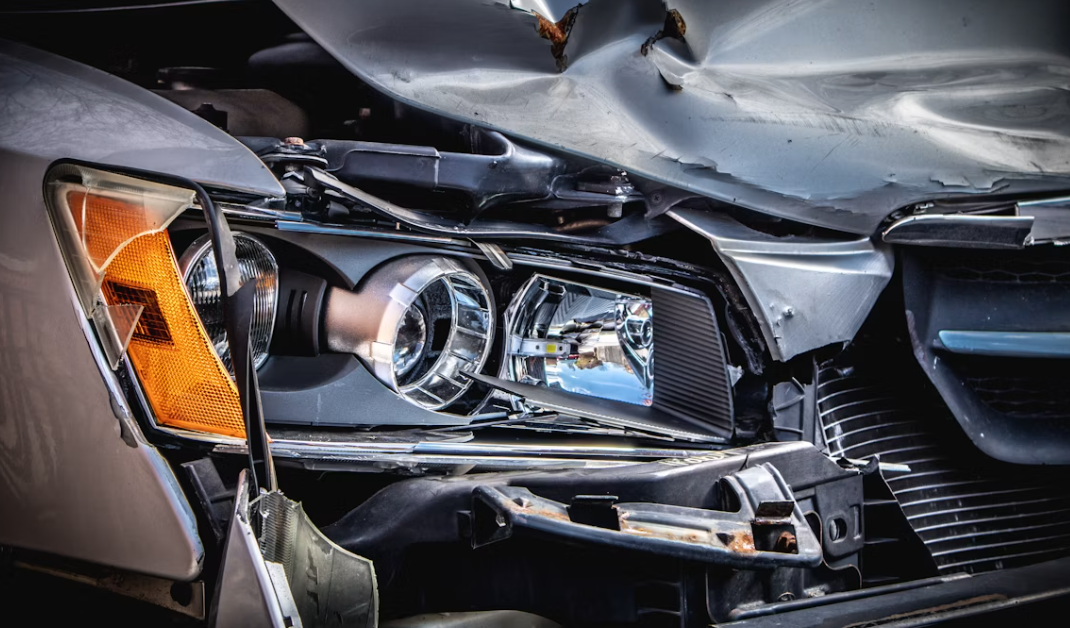
A motor vehicle accident can affect much more than your body.
Even after physical injuries begin to heal, many people continue to experience anxiety, fear, sleep problems, difficulty concentrating, or a sense that they are no longer the same person they were before the crash.
These reactions are common.
Whether your accident was minor or severe, the emotional impact can linger long after the vehicles have been repaired.
Counselling can be an important part of recovery, helping people process the emotional effects of an accident while learning strategies to feel safe and confident again.
Under ICBC’s Enhanced Care program, people injured in a crash in British Columbia have access to pre-approved counselling during the first 12 weeks after their accident, regardless of who was at fault. In most cases, you do not need a doctor’s referral to begin counselling you only need your ICBC claim number. If additional counselling is needed beyond the initial period, your treatment provider can recommend an extension based on your recovery needs.
The Emotional Impact of a Car Accident
Every person responds differently after an accident.
Some people feel shaken for a few days before returning to normal.
Others notice symptoms that continue for weeks or months.
Common emotional responses include:
- Anxiety while driving
- Fear of getting back behind the wheel
- Flashbacks or intrusive memories
- Difficulty sleeping
- Feeling constantly on edge
- Irritability
- Trouble concentrating
- Feeling emotionally numb
- Avoiding driving or certain roads
These reactions do not necessarily mean you have experienced post-traumatic stress disorder (PTSD).
They often reflect a nervous system that is still trying to make sense of a frightening event.
Why These Reactions Happen
A collision can happen without warning.
In a matter of seconds, your brain shifts into survival mode.
Adrenaline increases.
Your heart races.
Your muscles tense.
Your brain focuses entirely on keeping you alive.
For many people, the body gradually settles once the danger has passed.
For others, the nervous system remains highly alert long after the accident.
This can make everyday driving feel stressful or unsafe, even when there is no immediate danger.
If you’d like to learn more about how prolonged stress affects the body, our article on Nervous System Overwhelm explains why the body sometimes struggles to return to a sense of safety.
What Happens During ICBC Counselling?
Counselling provides a supportive and confidential space to talk about what you’ve experienced.
Sessions may include:
- Processing the emotional impact of the accident
- Learning ways to calm the nervous system
- Understanding anxiety and trauma responses
- Building confidence when returning to driving
- Developing healthy coping strategies
- Supporting your overall recovery
Every recovery is different.
Counselling is tailored to your experiences, symptoms, and goals.
When Should You Seek Counselling?
You do not need to wait until symptoms become severe.
Many people benefit from early support.
Consider reaching out if you notice:
- Anxiety about driving
- Nightmares or disturbed sleep
- Feeling emotionally overwhelmed
- Avoiding places or situations that remind you of the accident
- Increased stress affecting work or relationships
- Feeling like you haven’t been yourself since the collision
Beginning counselling early can help you understand your reactions and reduce the likelihood that stress becomes more deeply ingrained.
How Counselling Can Help
Recovery involves more than healing physical injuries.
Emotional recovery deserves attention too.
Counselling can help you:
- Understand your emotional responses
- Reduce anxiety
- Improve confidence while driving
- Develop practical coping skills
- Process difficult memories
- Rebuild a sense of safety
Many people are surprised to learn that the emotional effects of an accident are both common and treatable.
You don’t have to face them alone.
A Gentle Next Step
Recovering after a motor vehicle accident takes time, and healing isn’t only about physical injuries.
If you’ve noticed increased anxiety, stress, fear while driving, or emotional changes since your accident, counselling may be an important part of your recovery.
If you’re in Kelowna, West Kelowna, or elsewhere in the Okanagan and would like support after a motor vehicle accident, we’re here to help.
Learn more or Book a consultation