
Farm Stress and Mental Health in the Okanagan
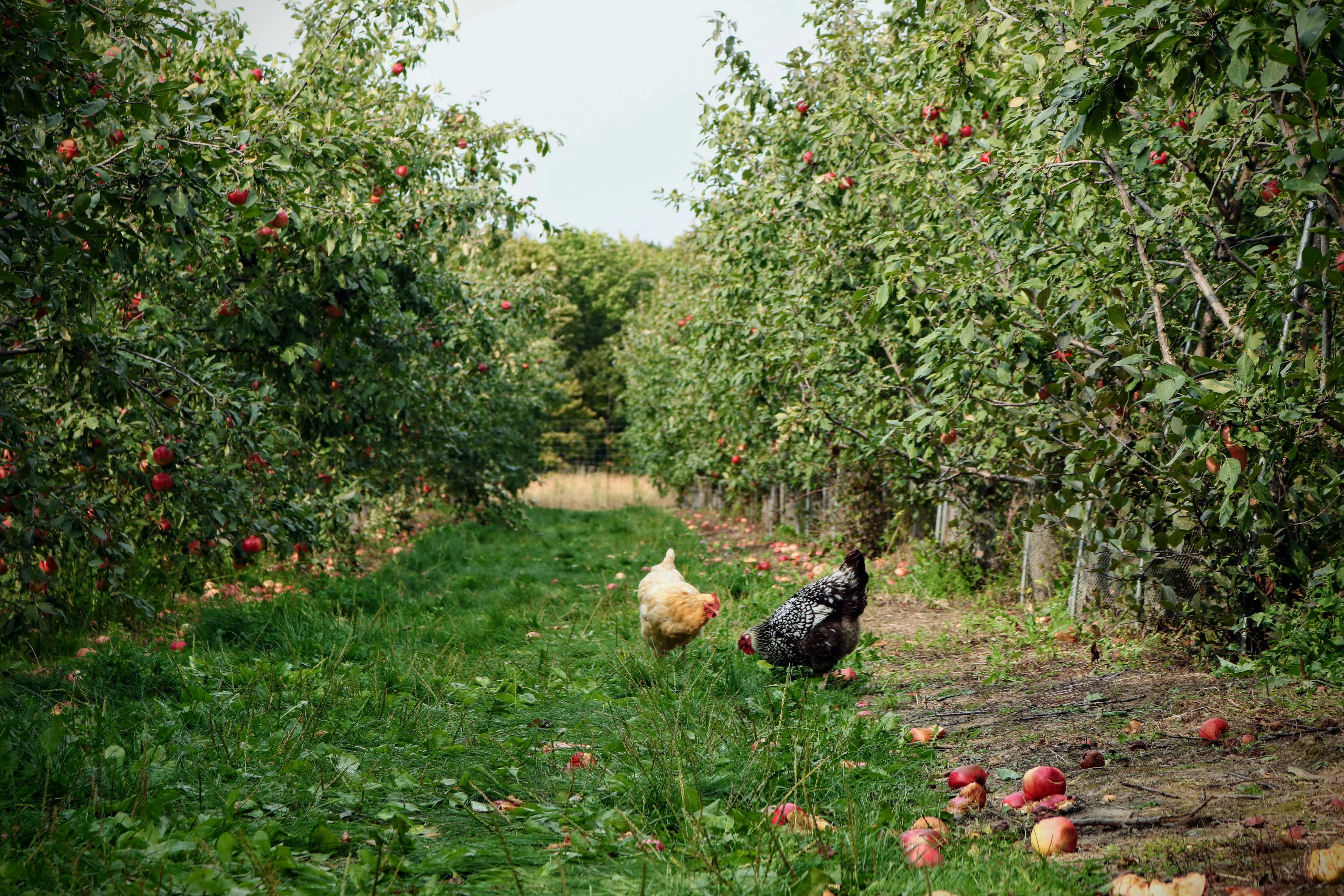
Farming is often seen as a rewarding way of life.
It can also be incredibly stressful.
Many people imagine beautiful orchards, vineyards, and open fields. However, behind the scenes, farmers often carry pressures that most people never see.
In the Okanagan, many farming families face long hours, unpredictable weather, rising costs, labour shortages, and financial uncertainty. Over time, these challenges can take a serious toll on mental health.
Why Farming Can Feel So Stressful
Unlike many jobs, farming combines work, family, finances, and lifestyle into one.
When challenges arise, they affect every part of life.
Farmers often worry about:
- Weather and climate events
- Crop loss
- Rising operating costs
- Debt and financial pressure
- Equipment breakdowns
- Labour shortages
- Market fluctuations
- Government regulations
- The future of the family farm
Many of these factors are completely outside of their control. As a result, stress can feel constant rather than temporary.
The Hidden Mental Load of Farming
Farming requires more than physical work.
It also requires constant decision-making.
Many producers spend their days asking questions such as:
- Will this crop make it through the season?
- Can we afford next year’s expenses?
- What happens if prices drop?
- How do we keep the farm sustainable?
Even when things are going well, there is often another challenge waiting around the corner.
Research in Canada has found elevated levels of stress, anxiety, and depression among farmers compared to the general population.
Why Many Farmers Don’t Ask for Help
Agriculture has a strong culture of resilience.
Many farmers take pride in working hard and solving problems independently.
While these qualities are strengths, they can also make it difficult to reach out when stress becomes overwhelming.
Many people in agriculture believe they should simply “push through.”
Others worry about appearing weak or becoming a burden to their family.
Unfortunately, this often means people suffer in silence for much longer than they need to.
Signs Farm Stress May Be Affecting Your Mental Health
Stress can show up in different ways.
Some common signs include:
- Feeling overwhelmed most days
- Increased irritability
- Difficulty sleeping
- Constant worry
- Trouble concentrating
- Loss of motivation
- Emotional exhaustion
- Increased alcohol or substance use
- Feeling disconnected from family or friends
Many people assume these symptoms are simply part of farming. However, they may be signs that your mental health needs attention.
Farm Stress Affects the Whole Family
Stress rarely stays with one person.
When farming pressures increase, relationships often feel the impact too.
Partners may argue more often.
Children may notice tension at home.
Family members may begin carrying stress that is not their own.
Because farms are often family businesses, personal and professional stress become closely connected.
Mental Health Support Is a Strength, Not a Weakness
Seeking support does not mean you cannot handle farming.
In fact, reaching out often takes more courage than staying silent.
Counselling can help farmers:
- Manage anxiety and stress
- Prevent burnout
- Improve sleep
- Navigate family conflict
- Process difficult seasons
- Develop healthier coping strategies
- Create more balance during challenging times
Many farmers spend years taking care of crops, livestock, equipment, and family members. Their own well-being deserves the same attention.
Farming in the Okanagan Comes With Unique Pressures
The Okanagan’s agricultural industry plays a vital role in the region.
However, orchardists, vineyard operators, ranchers, and other producers face challenges that continue to evolve.
Weather events, wildfire seasons, labour concerns, and economic pressures can all add to existing stress. British Columbia recognizes that farmers and agricultural workers face unique mental health challenges and has developed dedicated wellness resources for the agriculture sector.
How Holistic Counselling Can Help
Farm stress affects more than thoughts.
It impacts the nervous system, relationships, physical health, and emotional well-being.
A holistic counselling approach looks at the whole person rather than focusing on symptoms alone.
This may include:
- Stress management
- Nervous system regulation
- Somatic therapy
- Trauma-informed approaches
- Relationship support
- Burnout recovery
You can learn more in my guide on Holistic Counselling in the Okanagan.
A Gentle Invitation
Farming requires strength, resilience, and dedication.
However, even the strongest people need support sometimes.
If farm stress, anxiety, burnout, or emotional overwhelm have been affecting your life, you do not have to carry it alone.
Support is available, and reaching out can be the first step toward feeling more grounded and supported.