
Using Substances to Self-Regulate Emotions
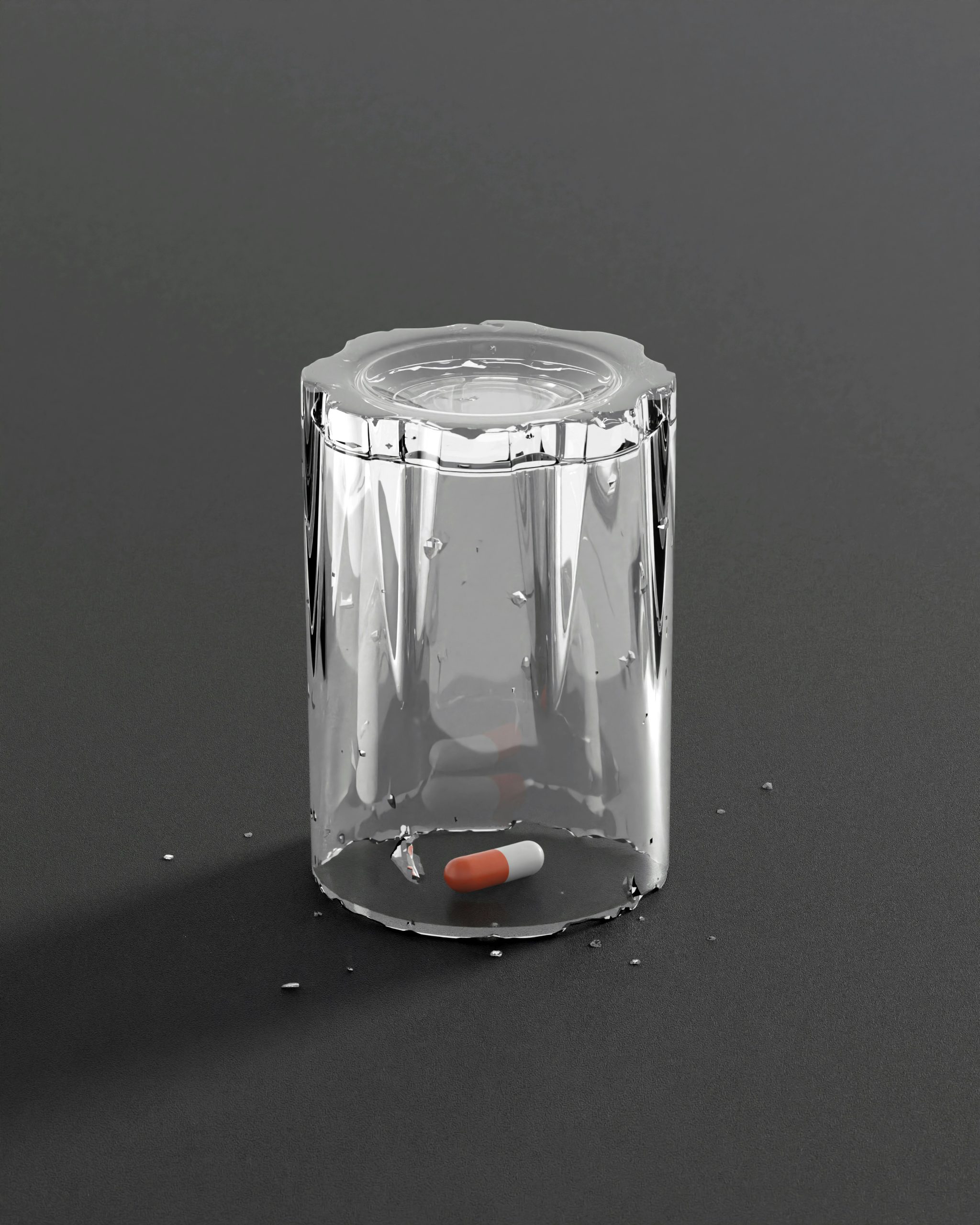
Many people use substances to cope with emotions.
This can include alcohol, cannabis, or other substances.
At first, the relief can feel helpful.
However, over time, this pattern often creates new challenges.
What Self-Regulation Means
Self-regulation is the ability to manage emotions and stress.
It helps the nervous system return to balance.
When emotions feel overwhelming, people naturally look for relief.
Because of this, substances can become a tool.
Why Substances Can Feel Regulating at First
Substances can quickly change how the body feels.
As a result, anxiety, tension, or emotional pain may soften.
For example, substances may:
- Calm racing thoughts
- Reduce emotional intensity
- Create temporary escape
- Help with sleep or relaxation
In the short term, this can feel effective.
When Coping Turns Into Reliance
Over time, the nervous system can begin to expect relief from substances.
Because of this, coping without them becomes harder.
You may notice:
- Using substances more often than planned
- Feeling uncomfortable when not using
- Reaching for substances during stress automatically
- Struggling to manage emotions without them
When this happens, reliance may be forming.
The Emotional Cost of Self-Regulating With Substances
Substances can dull emotions temporarily.
However, they do not resolve what is underneath.
Over time, people may feel:
- More anxious or low between use
- Less confident in their coping ability
- Emotionally numb or disconnected
- Stuck in repetitive cycles
As a result, emotional regulation becomes harder.
Why This Pattern Is Easy to Miss
Many people function well while using substances.
They work, maintain relationships, and meet responsibilities.
Because of this, concerns are often minimized.
However, high functioning does not always mean well supported.
Healthier Ways to Build Emotional Regulation
Emotional regulation is a skill that can be learned.
It does not require perfection.
Helpful supports may include:
- Grounding techniques for anxiety
- Naming and validating emotions
- Developing stress tolerance skills
- Creating routines that support rest
Over time, these tools reduce reliance on substances.
How Counselling Can Help
Counselling offers space to explore emotional patterns safely.
It supports curiosity without judgment.
Through counselling, people can:
- Understand emotional triggers
- Learn healthier regulation strategies
- Reduce reliance on substances
- Build confidence in coping skills
Change happens gradually.
You Are Not Weak for Needing Relief
Using substances to cope is often a sign of unmet needs.
It is not a personal failure.
Support can help you build safer ways to regulate emotions.
If substances have become your main way of coping with emotions, counselling support is available. You are welcome to reach out for a free consultation.