
Holiday Eating
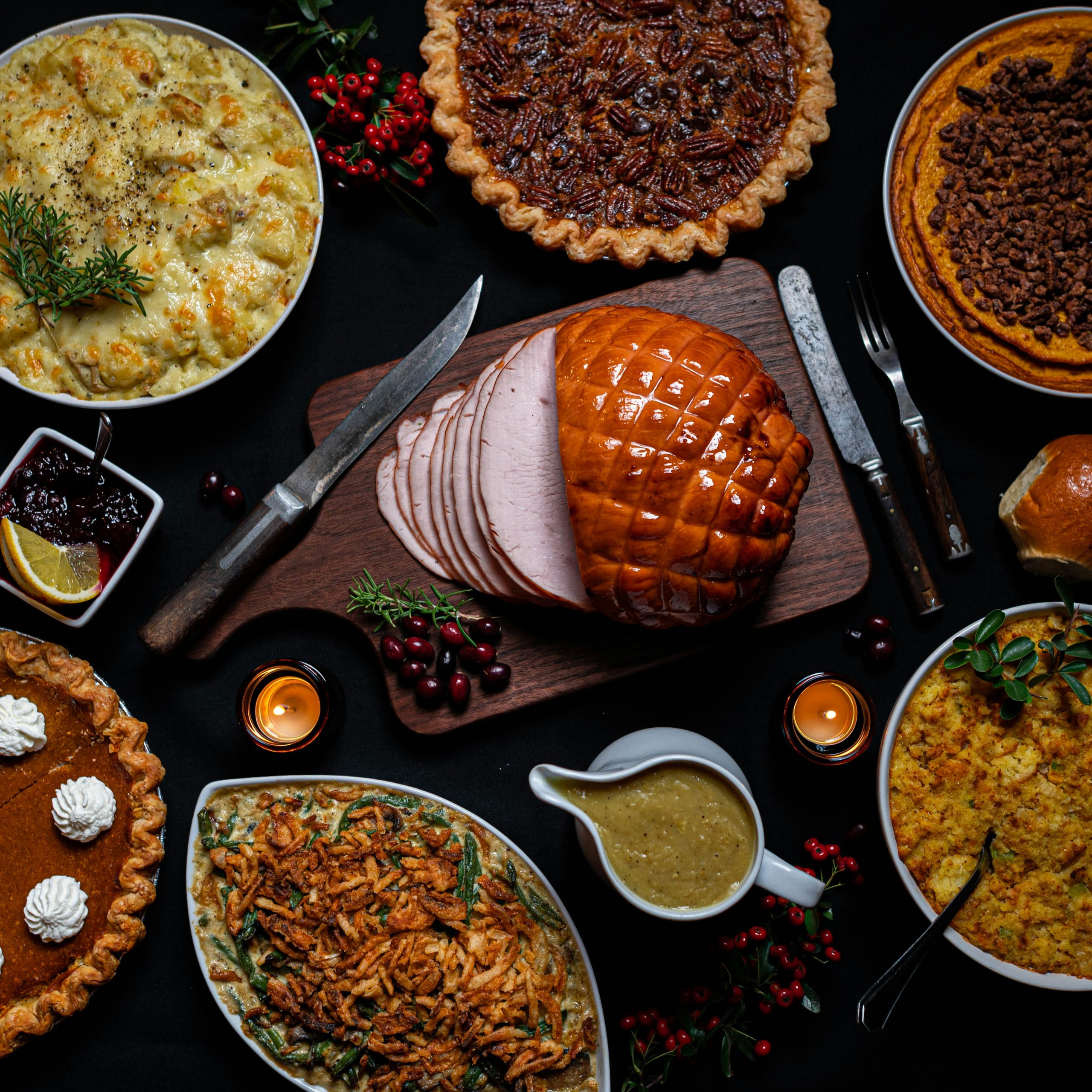
How to Manage Overeating Without Stress or Guilt
The holiday season is filled with celebration, connection, and good food. It is also a time when many people struggle with overeating. With gatherings, treats at every corner, and a change in routine, it makes sense that eating habits shift. You are not alone if you notice more cravings, bigger portions, or less control during this time of year.
At Orchard Valley Counselling, we support many clients in Kelowna who want a healthier relationship with food. The goal is never perfection. It is to help you stay grounded, reduce guilt, and feel more at ease with your choices.
Why Holiday Eating Feels Harder
Several factors make holiday eating more challenging. First, there is simply more food around. Buffets, baking, and large family meals naturally encourage bigger portions. Second, stress increases appetite for many people. When emotions run high, the body searches for comfort, and food is an easy place to turn. Finally, winter darkness and changes in routine can impact mood and hunger signals.
Understanding why this happens is the first step toward making compassionate choices.
Practical Tips to Manage Overeating During the Holidays
1. Eat regular meals
It may be tempting to skip meals before a big event. However, this often leads to overeating later. Eating regular meals keeps your blood sugar stable and makes holiday food feel less overwhelming.
2. Slow down your eating
When you eat quickly, your brain has less time to notice fullness. Slowing down allows you to taste your food, enjoy the moment, and make more intentional choices. You can try putting your fork down between bites or taking a breath before your next mouthful.
3. Check in with your body
Before you eat, pause and notice how hungry you are. During the meal, pause again and check how you feel. This small habit helps you reconnect with cues that may get lost in holiday noise.
4. Use the 80 percent rule
Try eating until you feel comfortably satisfied instead of full. Many people find that leaving a little room reduces discomfort and helps them feel more in control.
5. Keep balanced options available
Adding fruit, vegetables, protein, and water throughout the day supports your body and helps you stay grounded. You do not need to avoid treats. Instead, balance them with foods that help you feel stable.
6. Support emotional eating with care
Holiday stress, grief, and family tension can make food feel like comfort. Rather than forcing yourself to stop, try adding another soothing tool. A short walk, a grounding exercise, or talking to someone supportive can make a big difference.
7. Release guilt and perfection
Food is part of celebration. You will likely eat differently during the holidays, and that is okay. Guilt often leads to more overeating, not less. Being kind to yourself is one of the most effective tools you can use.
When Holiday Eating Becomes Overwhelming
If your relationship with food feels stressful or out of control, counselling can help you understand the patterns beneath overeating. You can learn strategies that are compassionate, sustainable, and free from shame. Many clients find relief once they understand why they struggle and how to support their body and emotions during difficult seasons.
Support in Kelowna and Online
Orchard Valley Counselling offers gentle support for emotional eating, stress, and body image. We help you build a healthier relationship with yourself, not just with food. If you want more ease this holiday season, you are welcome to reach out.
Book your appointment today and take a step toward calmer, more balanced eating.