
When Weed Becomes a Way to Cope
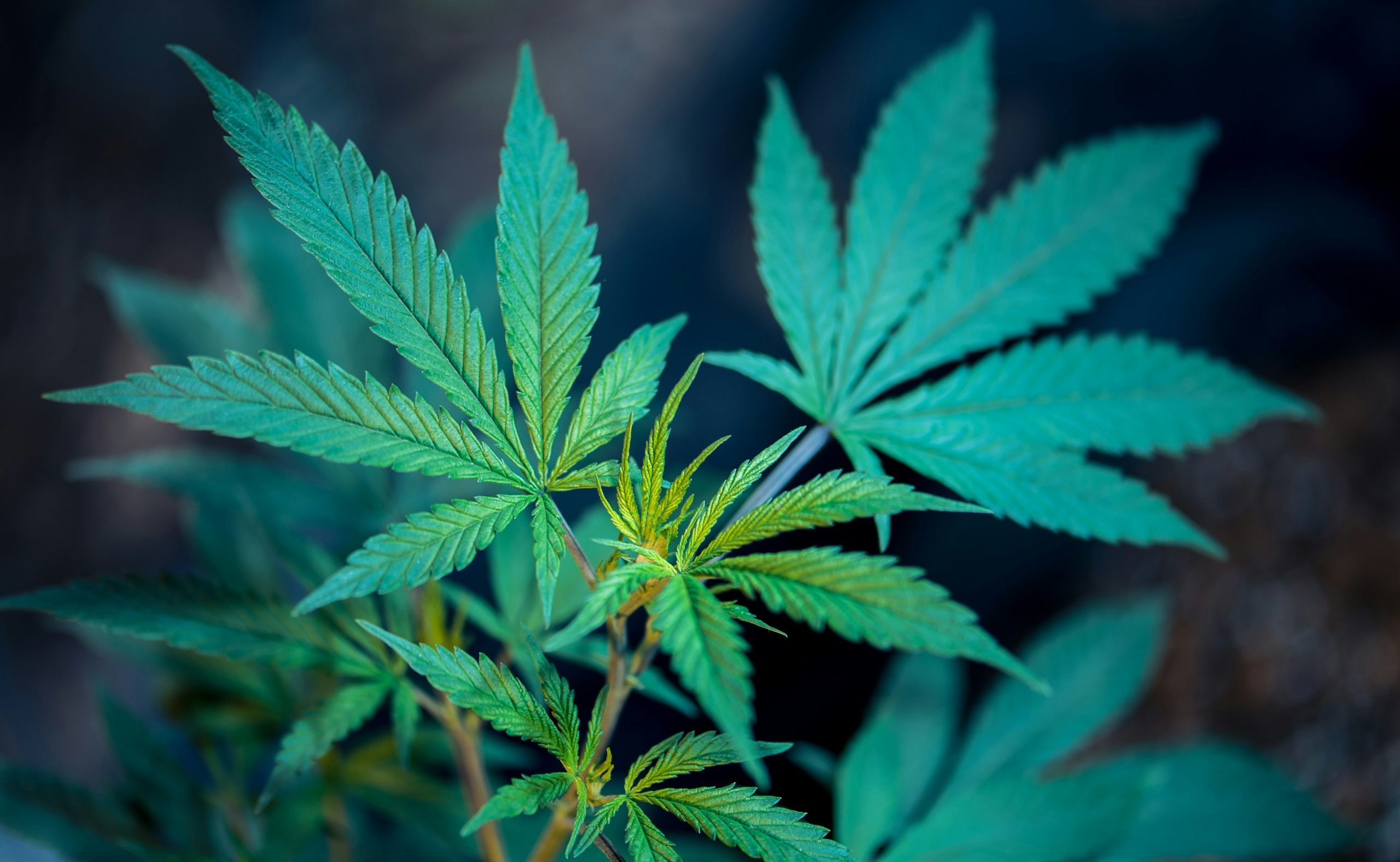
Cannabis is often seen as harmless or relaxing.
For many people, it starts as a way to unwind or sleep.
However, weed can slowly become a coping strategy.
Over time, this can affect mood, motivation, and emotional health.
Cannabis Use Exists on a Spectrum
Problematic cannabis use does not always look obvious.
Many people function well while still struggling.
On this spectrum, you might notice:
- Using weed to manage stress or anxiety
- Relying on cannabis to relax or sleep
- Feeling relief only after using
- Thinking about using more often
Because changes happen gradually, concerns are easy to dismiss.
Why Weed Becomes a Coping Tool
Cannabis can reduce tension and quiet racing thoughts.
As a result, it may feel helpful in the short term.
However, this relief is temporary.
Over time, the nervous system can rely on cannabis to settle.
Because of this, coping without it may feel harder.
Signs Weed Use May Be Becoming Unhealthy
Unhealthy use often blends into daily routines.
It does not always involve crisis.
You may notice:
- Using weed more often than intended
- Difficulty relaxing or sleeping without it
- Reduced motivation or focus
- Irritability when not using
- Continuing to use despite negative effects
When these patterns repeat, they deserve attention.
The Emotional Impact of Regular Cannabis Use
Over time, weed can affect emotional regulation.
Some people notice increased anxiety or low mood.
As a result, individuals may feel:
- Disconnected or numb
- Less motivated
- Foggy or unfocused
- Stuck in cycles of avoidance
Because of this, stress can quietly increase.
Why It Can Be Hard to Question Weed Use
Cannabis is widely normalized.
As a result, concerns may feel unnecessary or dramatic.
Many people think:
- “It’s not as bad as other substances.”
- “It helps me cope.”
- “I can stop anytime.”
However, questioning use does not mean something is wrong.
Reducing or Changing Use Is Not All or Nothing
You do not need to quit completely to reflect on your relationship with weed.
Instead, curiosity can be a starting point.
Helpful steps may include:
- Noticing when and why you use
- Exploring other ways to manage stress
- Taking short breaks to observe changes
- Reducing use without pressure
Small shifts can create insight.
How Counselling Can Help With Cannabis Use
Counselling offers a non-judgmental space.
It helps people explore patterns without labels.
Through counselling, individuals can:
- Understand what weed provides emotionally
- Build alternative coping strategies
- Reduce reliance without shame
- Address underlying stress or anxiety
Support focuses on choice, not punishment.
You Do Not Have to Be in Crisis to Get Help
If weed has become your main way to cope, support can help.
You deserve more than just getting by.
If you are questioning your relationship with cannabis, counselling support is available. You are welcome to reach out for a free consultation.