
People-Pleasing vs. Being Kind
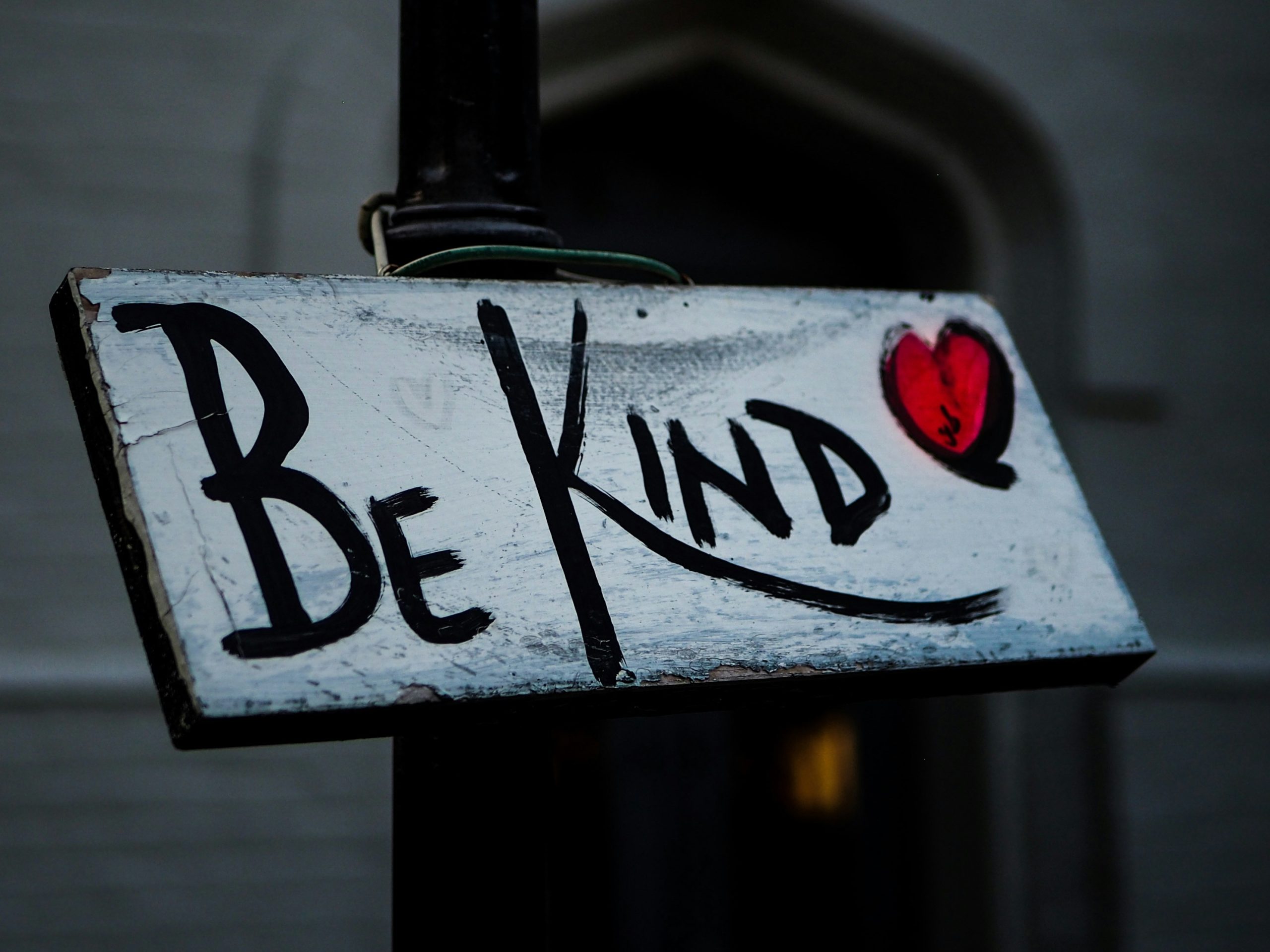
Kindness is a positive trait.
However, people-pleasing often feels very different.
At first, the two can look the same.
Over time, the impact on your well-being sets them apart.
What Being Kind Really Means
Being kind comes from choice.
It reflects your values, not pressure.
For example, kindness often includes:
- Offering help when you have capacity
- Speaking honestly and respectfully
- Caring without self-sacrifice
- Respecting both your needs and others’ needs
As a result, kindness usually feels grounding.
What People-Pleasing Looks Like
People-pleasing comes from fear rather than choice.
Often, it aims to avoid conflict or rejection.
For instance, people-pleasing may involve:
- Saying yes when you want to say no
- Ignoring your own limits
- Feeling anxious about disappointing others
- Tying self-worth to approval
Because of this, people-pleasing feels draining.
How the Two Feel Different Inside
Kindness feels open and calm.
People-pleasing feels tense and urgent.
Although both involve caring, the emotional cost is not the same.
Over time, people-pleasing leads to resentment and exhaustion.
Why People-Pleasing Develops
Many people learn people-pleasing early in life.
It often begins as a way to stay safe or accepted.
As a result, the pattern can feel automatic.
However, what once helped can later cause harm.
Signs You May Be People-Pleasing
You may notice people-pleasing if:
- You feel guilty for setting boundaries
- You avoid expressing needs
- You replay conversations afterward
- You feel responsible for others’ reactions
When these signs appear, it may be time to pause.
Choosing Kindness Without Losing Yourself
Kindness does not require self-erasure.
Instead, it includes honesty and limits.
Helpful shifts include:
- Checking in with your capacity
- Pausing before agreeing
- Allowing others to feel discomfort
- Valuing your needs equally
With practice, kindness becomes sustainable.
How Counselling Can Help
Counselling offers space to explore these patterns safely.
Through support, clients can:
- Reduce guilt around boundaries
- Build self-trust
- Strengthen emotional awareness
- Develop healthier relationships
Change happens gradually.
You Can Be Kind and Still Say No
Saying no does not make you unkind.
Instead, it protects your well-being.
When kindness includes yourself, it lasts.
If people-pleasing is leaving you exhausted, counselling support is available. You are welcome to reach out for a free consultation.