
Why Anxiety Persists Even When Life Looks Fine
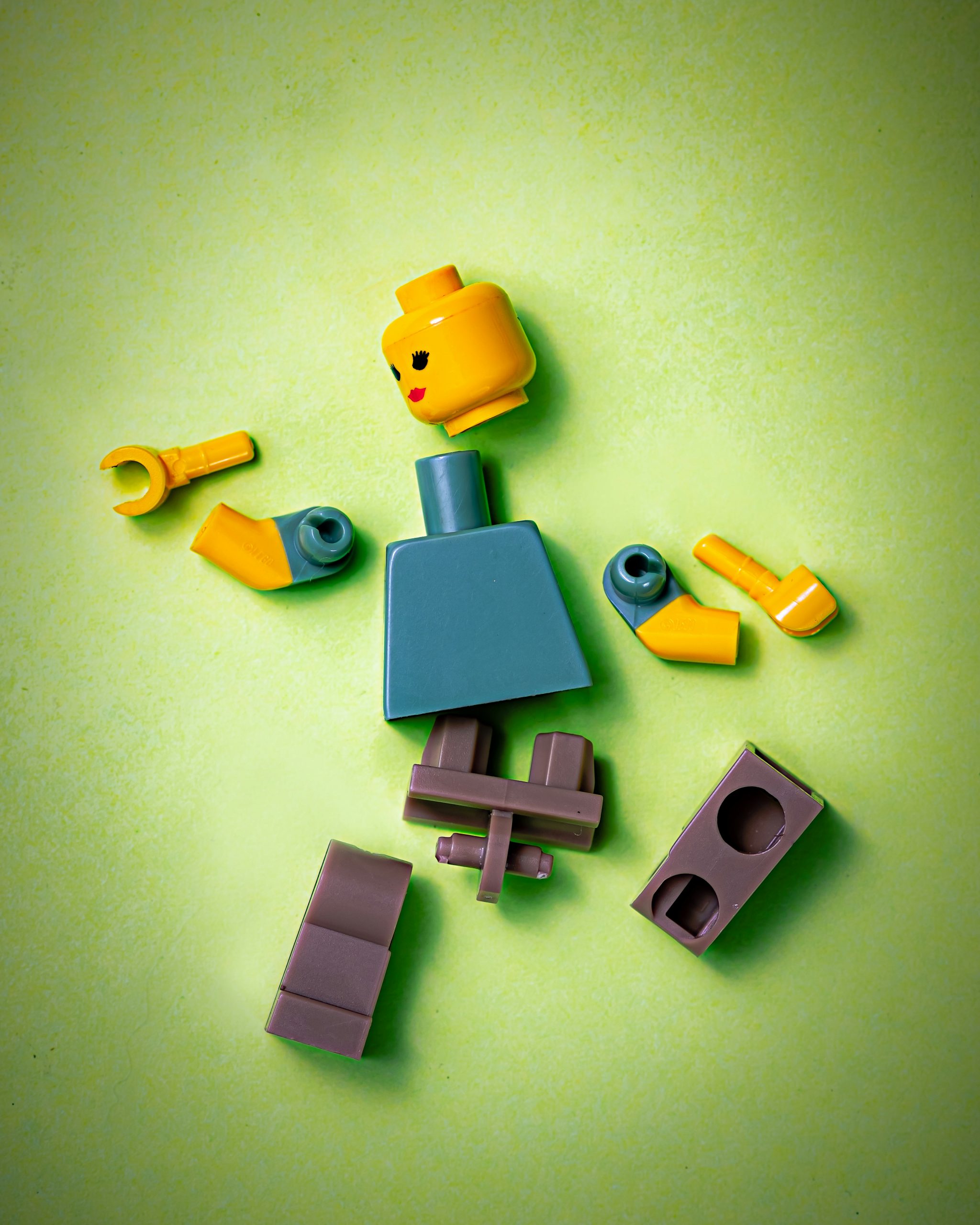
From the outside, life may look stable.
Work is steady. Relationships exist. Responsibilities are handled.
Yet anxiety still lingers.
This can feel confusing and frustrating.
However, anxiety does not require visible chaos to exist.
Anxiety Is Not Always About Circumstances
Anxiety is often linked to how the nervous system responds to stress.
It is not only about what is happening right now.
Because of this, anxiety can persist even when life appears calm.
Past stress, long-term pressure, or emotional suppression can all keep the nervous system activated.
High-Functioning Anxiety Is Easy to Miss
Many people with anxiety still function well.
They meet deadlines, show up for others, and stay productive.
As a result, anxiety may go unnoticed or minimized.
However, functioning does not equal feeling regulated.
Chronic Stress Trains the Nervous System
When stress lasts for long periods, the body adapts.
It stays alert, even when danger is no longer present.
Over time, this can look like:
- Constant tension
- Difficulty relaxing
- Racing thoughts during quiet moments
- Feeling “on edge” without a clear reason
Because the nervous system learned to stay prepared, anxiety remains.
Emotional Suppression Fuels Anxiety
Many people learn to push emotions aside.
They stay busy, logical, or composed.
However, emotions that are not processed do not disappear.
Instead, they surface as anxiety.
As a result, anxiety becomes the outlet for unaddressed feelings.
Safety and Control Can Increase Anxiety
Trying to control everything can feel protective.
Planning, perfectionism, and overthinking may reduce uncertainty temporarily.
However, these habits also signal to the nervous system that something is wrong.
Over time, anxiety increases rather than settles.
Why Relaxation Can Feel Uncomfortable
When anxiety has been present for a long time, calm can feel unfamiliar.
Slowing down may increase anxious sensations.
Because of this, people may avoid rest or stillness.
This does not mean rest is unsafe.
It means the nervous system needs retraining.
Addressing Anxiety at the Root
Reducing anxiety often requires more than surface-level coping.
Helpful steps may include:
- Understanding nervous system patterns
- Processing emotions safely
- Reducing chronic self-pressure
- Learning regulation skills
Over time, anxiety can decrease when the system feels safe.
How Counselling Can Help
Counselling helps explore why anxiety persists beneath the surface.
It focuses on patterns, not just symptoms.
Through counselling, people can:
- Identify hidden stressors
- Learn to regulate their nervous system
- Reduce anxiety without self-blame
- Feel calmer and more grounded
Progress happens gradually.
You Are Not Broken
Persistent anxiety does not mean something is wrong with you.
It often means your system learned to survive under pressure.
With support, anxiety can soften.
If anxiety persists even when life looks fine, counselling support is available. You are welcome to reach out for a free consultation.