
Seasonal Depression
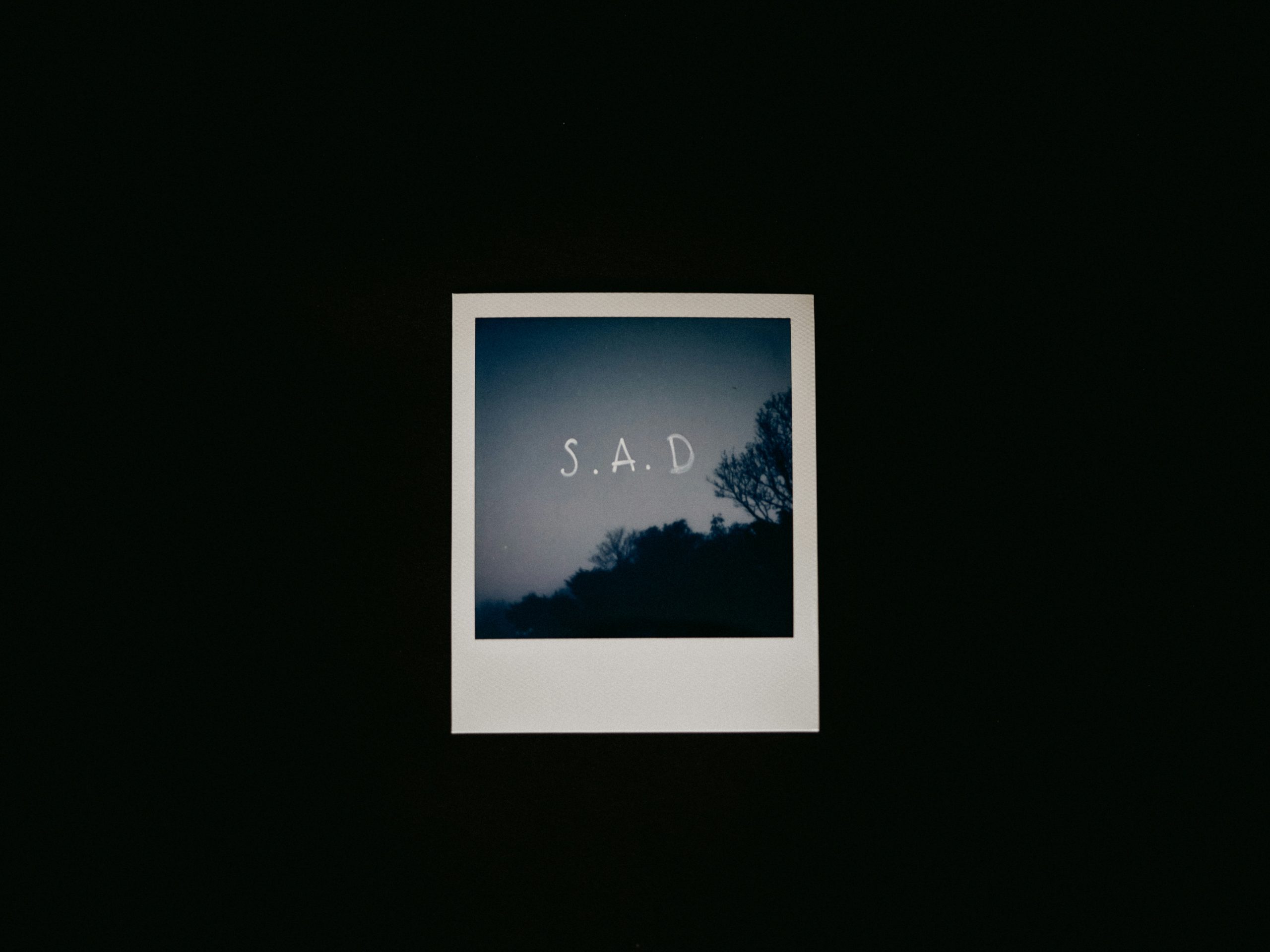
How to Feel Better When the Darkness Sets In
When the days get shorter, many people notice a shift in their mood. You may feel tired, unmotivated, or disconnected. For some, these changes become something more serious. This is seasonal depression, also known as Seasonal Affective Disorder (SAD).
Seasonal depression is common in Canada, especially in places with long, dark winters. The symptoms can feel heavy, but the good news is that there are many ways to manage them. With the right support, you can get through winter feeling more grounded, hopeful, and in control.
What Seasonal Depression Can Look Like
Seasonal depression shows up in different ways. Many people notice:
• Low energy
• Difficulty getting out of bed
• Cravings for sugar and carbs
• Trouble concentrating
• Feeling down or hopeless
• Withdrawing from friends or activities
• Irritability or increased stress
These symptoms usually start in late fall and continue through winter. Then, as the light returns, you often start to feel better again. Because this pattern repeats each year, it is not “just a bad mood.” It is a real mental health condition that deserves care and attention.
Why Seasonal Depression Happens
Researchers believe seasonal depression is linked to light. When sunlight decreases:
• Your circadian rhythm shifts.
• Your serotonin levels can drop.
• Your melatonin levels increase, making you feel sleepy.
As a result, it becomes harder to feel motivated or emotionally balanced. Even if you try to “push through,” your brain and body are working against you.
Practical Ways to Support Yourself
The good news is that small and consistent steps can make a big difference. Here are strategies that can help:
Increase Light Exposure
Light therapy lamps are one of the most researched tools for SAD. Sitting near a 10,000-lux light box for 20–30 minutes a day can boost your mood and energy. In addition, try to get outside during daylight, even if it’s cloudy.
Keep a Steady Routine
Seasonal depression often disrupts sleeping and eating habits. A simple, repeatable routine can help you feel more grounded. Try waking up at the same time each day, planning meals ahead, and keeping a regular bedtime.
Move Your Body Gently
Exercise does not need to be intense. Even a short walk helps your brain release chemicals that improve mood. On tough days, focus on small wins. A few minutes is still progress.
Stay Connected
Even though you may feel like withdrawing, connection improves emotional resilience. Reach out to a friend, join a group, or schedule regular check-ins with someone you trust.
Limit Alcohol and Screen Time
Both can lower your mood and increase fatigue. Try reducing them during the winter months. Small changes can help you feel clearer and more stable.
When Counselling Can Help
Seasonal depression can feel overwhelming, especially when it affects your relationships, work, or sense of self. Counselling gives you space to talk about your experience without judgement. It also helps you understand your patterns, learn coping tools, and build strategies for the hard months.
If you live in Kelowna, online or in-person counselling can support you through the winter. You do not have to navigate this alone.
You Deserve Support This Season
If you’re tired of feeling stuck every winter, now is a good time to reach out. Counselling can help you feel more grounded, more hopeful, and more yourself again.
Book a free 15-minute consult with Orchard Valley Counselling.
A conversation is the first step toward feeling better.